Build Your Calling
Training Traditional Health Practitioner - Herbalists for Professional Practice
Training the next generation of registered Traditional Health Practitioners-Herbalists.
12 Months
Certificate Programme
25+ Years
Indigenous Knowledge Experience
HYBRID TRAINING METHOD Online Distant Leaning and 1 Compulsory contact session on commencement of the Course and 1 Compulsory contact session in the next 6 months.
National
Training Availability
Programme Competencies
What Learners Will Be Trained to Do

Understanding the Legal Framework in the Traditional Healing Landscape, African Healing Philosophy & Traditional Consultation - Module 1
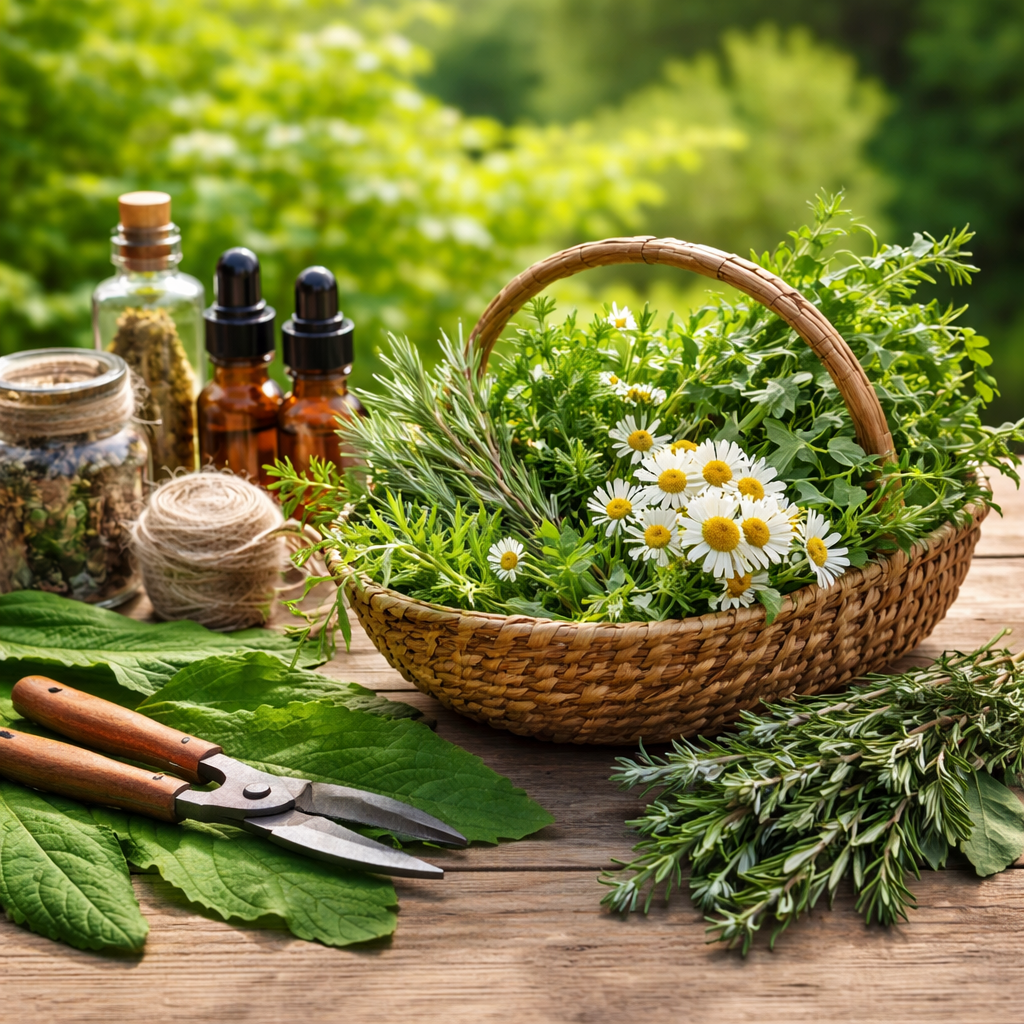
Sustainable Harvesting, Medicinal Herbs & Healing - Module 2
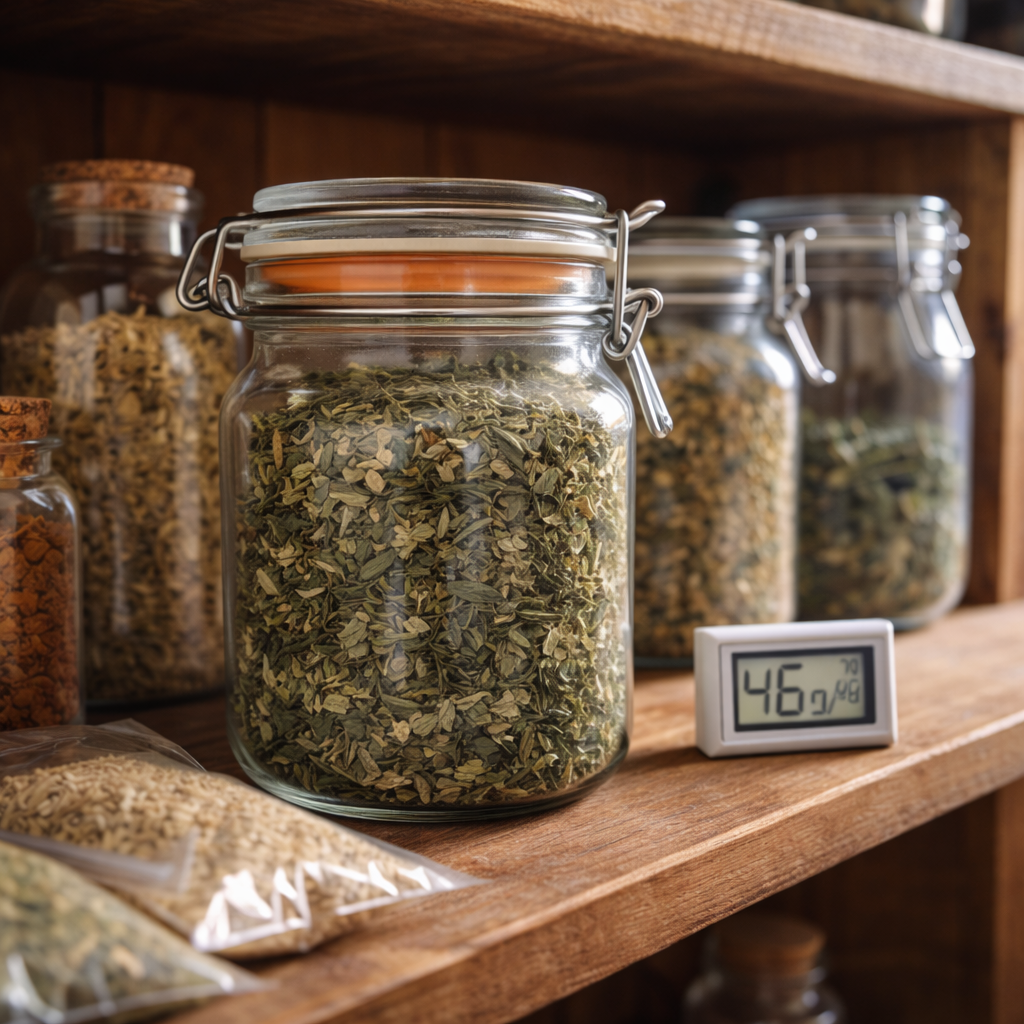
Safe Storage Practices, Medicinal Herbs and Healing - Module 3
Learners are trained to conduct structured, face-to-face health consultations, including patient interviews, medical history review, medication disclosure, and completion of a formal intake and assessment form.
Training focuses on ethical and sustainable harvesting practices, ensuring environmental preservation and long-term availability of medicinal plants.
Learners are taught proper methods for drying, storing, and preserving herbs to maintain potency, prevent contamination, and ensure safety.


Herbal Dispensing, Medicinal Herbs & Healing - Module 4
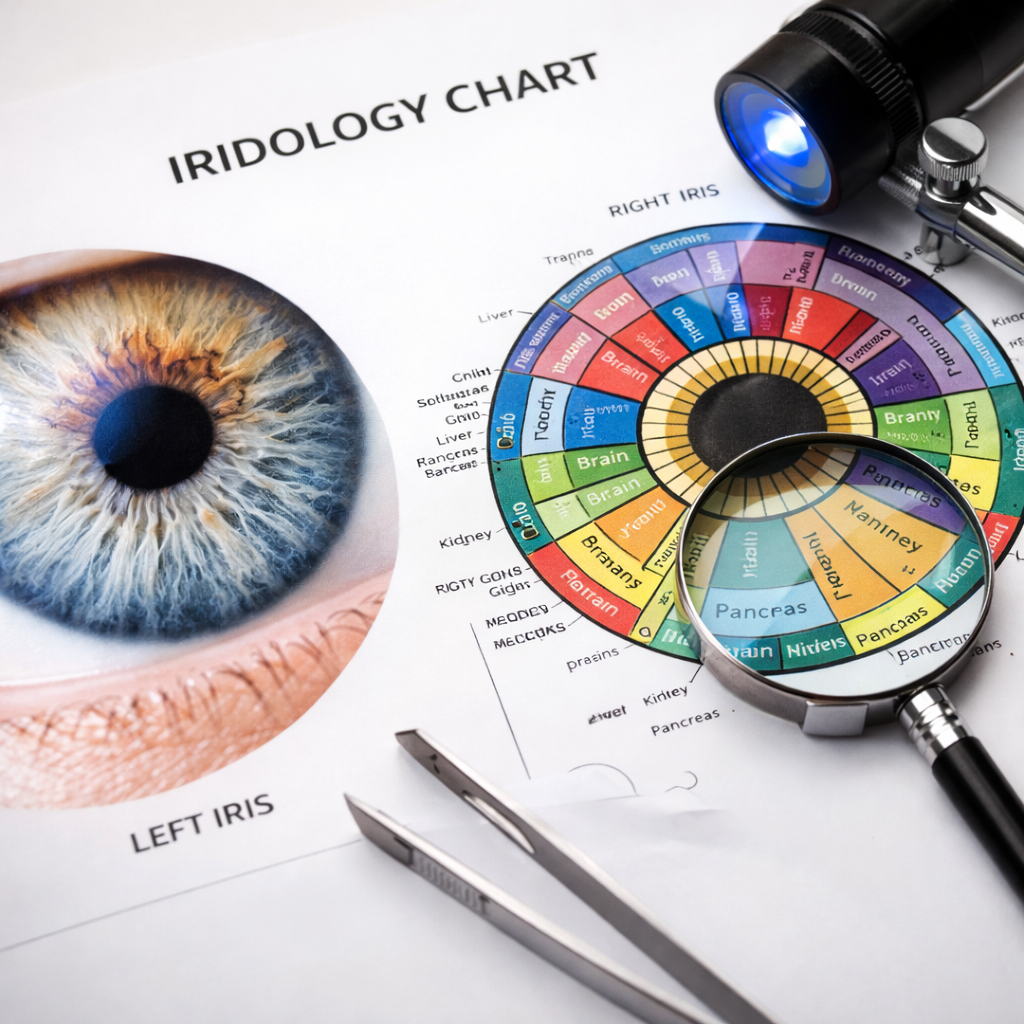
Iridology (Optional Module)
Anatomy & Physiology (Optional Module)
Instruction is provided on the preparation and dispensing of herbal remedies in accordance with safety principles. Manufacturing of Herbal Capsules, Tinctures and Teas.
Iridology is offered as an optional module for learners who wish to gain introductory knowledge of this complementary assessment approach. This module is not compulsory and is undertaken separately from the core Herbalism programme.
This optional module provides learners with foundational knowledge of human anatomy and physiology to support safe and informed herbal practice. The focus is on basic body systems and their relevance to health assessment and herbal interventions.
Quality & Compliance
Committed to Responsible Traditional Health Practice
We uphold ethical training standards, safe handling of herbal materials, and learner readiness for lawful practice.
Who Can Enrol?
Entry requirements and enrolment guidance for prospective learners.
- Minimum Grade 12 PLUS any on-line herbalism short-course or 3 years experience as an herbal consultant.
-
Knowledge of Anatomy and Physiology will be an advantage.
Basic Computer Literacy
Commence with the Course any time - Minimum age is 25
- A Diploma or Degree will be an added advantage.
Our Offices
Headquarters & Administrative Offices
ACHI operates from central administrative offices in Gauteng, supporting programme coordination, learner administration, and national training delivery across all nine provinces.
ANNOUNCEMENT! Congratulations to the 26 learners that have successfully completed the Course at the end of August! ACHI will be walking with you all the way towards the success of your practices.
Learners could begin the course at any time but have to complete within 12 months.
Centurion Venue
Basden Wood Hotel, 240 Rabie Street & Basden Avenue, Die Hoewes, Lyttelton, Centurion, Gauteng.
Date
The registration of traditional healers in South Africa is becoming formalized under new regulations that will be implemented in 2026. Healers must prepare to meet the requirements set by the Interim Traditional Health Practitioners Council to continue practicing legally. For more detailed information, practitioners can refer to the official communications from the council and the National Department of Health.
TIME IS OF THE ESSENCE
Programme Intake Enquiry.
Submit your details to receive intake information and application guidance.
Learn More From
Frequently Asked Questions
This programme is open to individuals who wish to train as Traditional Health Practitioner – Herbalist, Practicing THP’s as well as Ethno-medicine practitioners seeking foundational knowledge in African Healing Philosophy and healing herbs. Applicants must have completed Grade 12 or an equivalent qualification. No prior training in traditional medicine is required. This course requires Basic Computer Literacy.
The programme is delivered through four quarterly modules over a 12-month period. The course is a distant learning programme with on-line sessions, learning materials are provided in video, audio, and PDF formats. Learners are also required to complete at-home practice assignments.
Upon successful completion of the programme, graduates will be eligible to engage in traditional health practice in accordance with Section 51 of the Traditional Health Practitioners Act. Practitioners could establish their own Consultancy Room(s), Health & Wellness Shop, Manufacture own Herbal Medicine and upon registration with the Council seek employment in any health facility both public and private. ACHI will provide guidance and assistance when the Interim Traditional Health Practitioners Council opens the registration process.